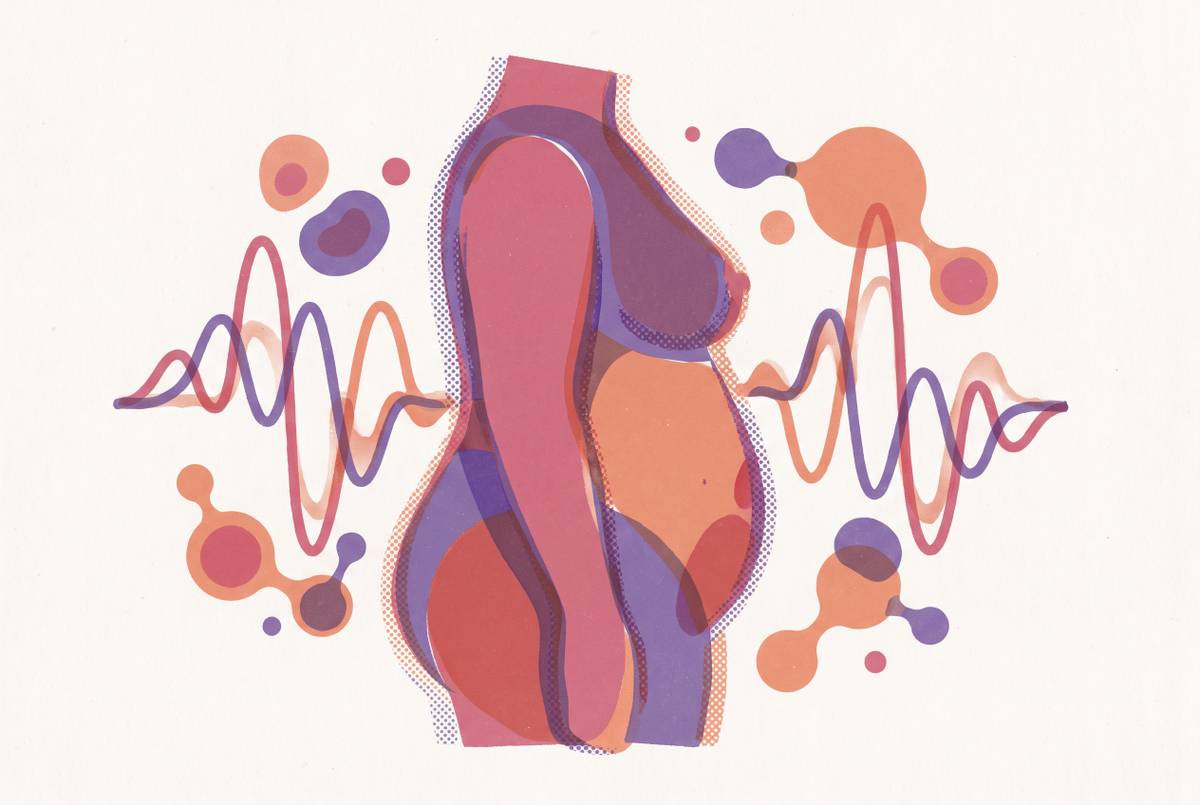
Hormonal Causes of Night Waking and 3 AM Insomnia
Falling progesterone and erratic estrogen lower your brain's threshold for waking.
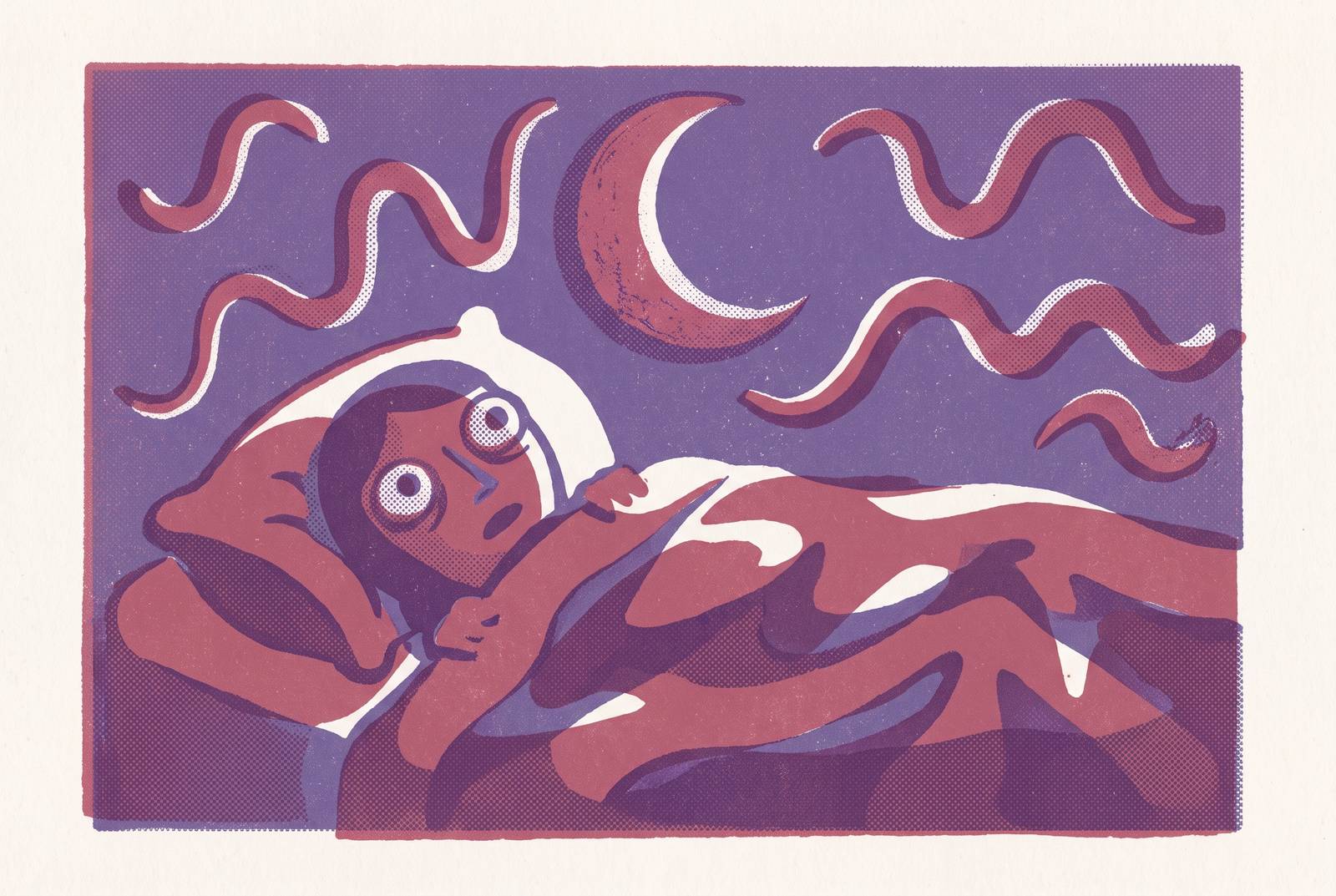
Night waking and 3 AM insomnia in perimenopause can reflect a lowered threshold for waking even when sleep habits remain sound. Falling progesterone, erratic estrogen and rising FSH help explain why sleep becomes easier to interrupt and harder to resume. Understanding these shifts gives women a more specific starting point for investigation, while leaving room for other causes that can overlap.
Why 3 AM waking in perimenopause is a threshold problem, not a habits problem
A woman falls asleep without trouble, follows the standard advice and still finds herself awake at 3 AM. Her bedtime is consistent, the room is cool and nothing about her routine seems to explain the change. The missing distinction is between conditions that support sleep and the brain’s ability to sustain it. When the threshold for waking falls, a noise, warmth or a change in light that once went unnoticed can interrupt the night.
The familiar explanation of a cortisol spike can obscure that distinction. Cortisol rises after waking, so feeling wired does not by itself show that cortisol caused her to wake. By the early morning, much of the night’s deep sleep has already occurred, leaving lighter stages that break more easily. A brief waking that once passed in seconds can then become an hour or more awake.
How falling progesterone removes the brain's primary sleep-sustaining signal
After ovulation, the corpus luteum produces progesterone, which the brain converts into allopregnanolone. This neuroactive steroid acts on GABA-A receptors, strengthening their inhibitory effect. In plain terms, it reinforces a calming signal that helps the brain enter sleep and remain asleep. These are the same receptors that calming medicines target, although the comparison is limited to their shared pathway.
In perimenopause, the supply becomes less dependable because ovulation becomes irregular. Without reliable ovulation, progesterone production can become erratic and, in many cycles, absent. The calming signal that once followed a recurring cycle therefore becomes intermittent. Sleep can grow lighter and more fragmented without a woman first becoming more anxious or stressed. The change lies in the biological support for sleep, rather than necessarily in the thoughts she brings to bed.
Timing matters as well as level. A steep progesterone decline, such as the fall in the late luteal phase, is more specifically associated with sleep disruption than estrogen fluctuation alone. That makes progesterone timing a more immediate part of the explanation than a broad statement that hormones are changing. Progesterone can decline before estrogen does during the transition, so fragmented sleep may appear before hot flashes or dramatic menstrual changes. Women in their late 30s and early 40s may thus start waking at night before they think of themselves as perimenopausal.
How estrogen's erratic fluctuation disrupts melatonin, temperature regulation, and the circadian signal simultaneously
Estrogen adds instability to that weakened sleep support through three overlapping pathways, namely melatonin production, thermoregulation and circadian timing. In early perimenopause, estrogen levels are higher than usual in some cycles and fall sharply in others when a follicle fails to mature. Both estrogen’s level and the extent of its fluctuations therefore matter. An estradiol result that is normal or high on one day can be part of a pattern that swings widely.
Estrogen modulates serotonin and melatonin production, and serotonin is a precursor to melatonin. Lower estrogen can mean less serotonin available to support that pathway. Melatonin also declines naturally with age, so its baseline may already be lower than it was in a woman’s 30s. Fluctuating estrogen can compound a change that has already begun.
Estrogen supports the body’s ability to release heat as sleep begins, but fluctuation makes that thermoregulation less reliable and the brain’s temperature set-point more sensitive. Night sweats are the most visible expression, yet even a brief thermal event can cause a micro-awakening whose disruption outlasts the sweat. At the same time, estrogen acts on hypothalamic circuits that govern circadian rhythm. Its fluctuation can weaken the internal 24-hour signal for sleep and waking, leaving both the conditions for sleep and its timing less stable.
Why rising FSH is a third, independent driver of sleep fragmentation — not just a diagnostic marker
FSH brings a third hormonal signal into the picture. As the ovaries become less responsive, the pituitary releases more FSH and LH to stimulate follicle development. The STRAW+10 framework places this change within reproductive aging, using menstrual patterns as its main staging criteria and FSH as a secondary supportive marker. That role on a laboratory report, however, is not the whole reason FSH matters to sleep.
Rising FSH independently correlates with more fragmented sleep. This makes it relevant even when estrogen and progesterone appear to have partly stabilized or do not look especially low. An independent association does not, by itself, establish how much FSH directly causes an individual woman’s waking. It does mean that an account focused only on the two ovarian hormones may be incomplete.
Its interpretation still requires care because FSH fluctuates considerably during perimenopause. It can rise into the menopausal range and fall back to normal within weeks. One result alone cannot show whether the transition explains a woman’s symptoms. Testing has to serve the clinical picture.
Why the three mechanisms converge at 3 AM specifically, and what distinguishes hormonal insomnia from other causes of night waking
Most deep slow-wave sleep happens in the first half of the night, with more REM and stage-2 sleep later on. With progesterone’s calming support less dependable, these later stages become easier to interrupt. The clock time provides a recognizable pattern to investigate. What matters is that a vulnerable part of the night meets a reduced ability to remain asleep.
Temperature adds another pressure at this point. Body temperature is at its lowest in the early morning, and changes linked to estrogen can make that shift less steady. A night sweat or a slightly warm room may now be enough to complete a waking event. FSH-associated fragmentation adds to the same vulnerability alongside the other changes. After a woman wakes, a cortisol awakening response may help explain why she feels alert, but that feeling alone cannot prove when the response happened or what caused it.
The sleep pattern distinguishes hormonal insomnia from anxiety-driven insomnia even when the woman feels distressed afterward. In racing-brain insomnia, the body feels tired but the mind stays stuck on because of anxiety, mental overload or hypervigilance. It does not necessarily follow the same consistent-time pattern and can respond to CBT-I, mindfulness and stress regulation. Waking again and again at roughly the same time, with warmth or sweating and no anxious rumination beforehand, is a stronger sign that hormones may play a part. It supports hormonal evaluation rather than an assumption that CBT-I alone addresses the whole problem.
Other conditions still need consideration because the explanations can coexist. Both hypothyroidism and hyperthyroidism can cause fatigue, mood disturbance, weight changes, sleep difficulties and menstrual irregularities that overlap with perimenopause. Obstructive sleep apnea in women may cause fragmented sleep and fatigue without dramatic breathing interruptions. Perimenopausal hormonal changes can also increase its risk. Recognizing a hormonal pattern should therefore widen an investigation.
What hormone testing can and cannot tell a woman about why she is waking at 3 AM
Testing is useful when it answers a defined question, but it cannot turn a fluctuating transition into a fixed state. One estradiol result cannot reveal the swings around it, and one progesterone result cannot describe how reliably ovulation is occurring across cycles. Even a result within a population reference range may be very different from a woman’s earlier pattern.
The European Society of Endocrinology’s October 2025 clinical practice guideline advises measuring FSH at day 2 to 5 of the cycle, or after 40+ days without menstruation, when testing is pursued. This timing matters because FSH is at its lowest in the early follicular phase. The same guideline states that women over 45 with typical symptoms do not need biochemical testing for diagnosis or management. For them, the clinical picture can be sufficient.
Age changes the purpose of investigation. Women under 40 need evaluation for possible premature ovarian insufficiency, while NICE NG23, updated 2024, advises considering FSH for symptomatic women ages 40–45. Current contraception also changes what a result can mean. Combined hormonal contraception suppresses FSH and lowers AMH, so results taken during its use do not straightforwardly reflect ovarian status. A reassuring-looking number must be read in that context.
When hormone testing is called for, testing more than once can show what a single panel misses. Progesterone may be falling below an earlier baseline, FSH may be rising over time, or estradiol may be swinging more widely. Each pattern has a different bearing on what a woman and her clinician discuss. Longitudinal home testing with clinician review can help make such changes visible across cycles. Its value lies in connecting appropriately timed results with symptoms.
Thyroid testing has a separate role in that conversation. Broad consideration of TSH testing is warranted because thyroid dysfunction and perimenopause share so many symptoms. A hormonal account of sleep disruption is incomplete if it overlooks that overlap. The aim is an interpretable picture of the woman’s symptoms and physiology, rather than a collection of numbers labeled normal or abnormal.
What a woman who recognizes this pattern should do next
The first step is to document the waking pattern before deciding which hormone measurements would be useful. Record when waking happens, whether warmth or sweating precedes it, and whether the timing is consistent or irregular. Note whether anxious rumination comes first or whether physical alertness arrives without it. These distinctions give a clinician something more specific to investigate than night waking alone. A symptom record gives a clinician evidence to work with even before lab results are available.
A woman can then talk with a clinician about causes that may overlap. Thyroid function, sleep apnea screening when fatigue is disproportionate to apparent sleep time, and mood screening belong in that assessment. They belong alongside hormonal evaluation. If hormone testing goes ahead, the plan should take into account when in the cycle to test, whether she uses contraception and what question repeat measurements would help answer. Tracking progesterone, estradiol and FSH across cycles, with TSH as a baseline, can support that discussion when clinically appropriate.
Consistent sleep timing, a cooler environment, limiting alcohol and avoiding heavy evening meals can reduce stimuli that cross a lowered waking threshold. They do not restore the hormonal support that has become unreliable. Their limits are not evidence that a woman has failed to follow the advice closely enough.
The goal is to move from an unexplained symptom toward a specific, testable clinical question. A record showing worsening sleep in parallel with declining progesterone or rising FSH gives a clinician a pattern to interpret. Women deserve that interpretation whether or not testing is needed.